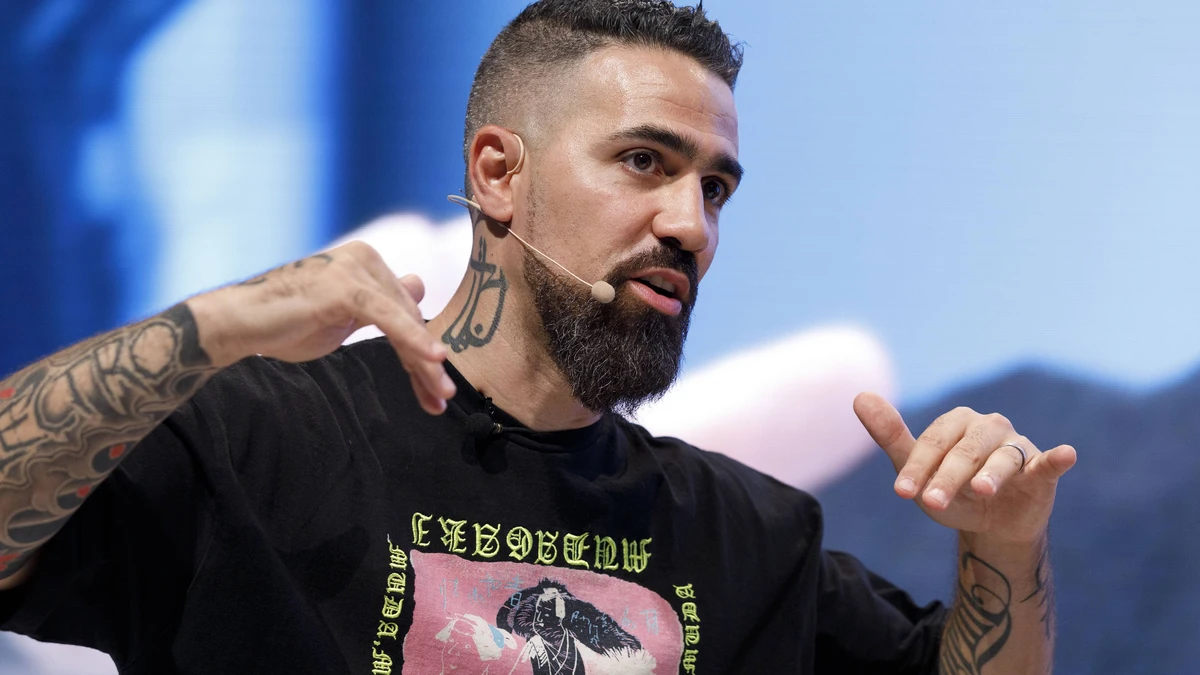
Introduction to Aviv Germany
The term “Aviv Germany” refers to a multifaceted cultural, social, and economic phenomenon that has emerged in Germany, intertwining various aspects of the nation’s identity. The concept not only resonates within the borders of Germany but also garners attention on the international stage, as it encapsulates a unique fusion of historical context and contemporary relevance. Initially, Aviv Germany may evoke thoughts of vibrant cultural expressions, which include art, music, and cuisine, deeply rooted in the diverse heritage of the country.
Aviv Germany embodies a renaissance of sorts, highlighting the ongoing evolution of German society while cherishing its rich history. The growth of the Aviv movement is indicative of a broader trend where communities embrace their cultural roots while simultaneously integrating modern influences. This organic blending has led to an increased appreciation for local customs and traditions within Germany, signalling a renewed sense of pride among its citizens.
Moreover, Aviv Germany plays a crucial role in fostering a sense of belonging and unity among various demographic groups. As migration patterns diversify the population, the exchange of ideas and traditions becomes more prevalent, contributing to a dynamic cultural landscape. This inclusivity reflects a societal shift that champions diversity as a powerful asset rather than a challenge.
In essence, Aviv Germany is not merely a concept; it is a living testament to the resilience and adaptability of German identity. As we delve deeper into its cultural significance and socio-economic impact, it becomes clear that Aviv Germany is set to influence future generations and reshape the narrative of contemporary Germany.
Historical Context of Aviv Germany
The concept of Aviv Germany encompasses a rich tapestry of historical events and cultural evolution that dates back several centuries. The term ‘Aviv’, which commonly translates to ‘spring’ in Hebrew, has found a unique place within the German sociocultural landscape, illustrating a connection between Jewish traditions and the broader European milieu. Its historical context is indeed substantial, as the interplay between these cultures has shaped the landscape of modern Aviv Germany.
In the early 20th century, Aviv emerged as a term denoting renewal and rebirth, echoing the socio-political climates of the time, particularly in the wake of significant upheavals such as World War I and the ensuing reparative movements. Key figures during this period, such as those involved in the cultural Renaissance within Germany, played a pivotal role in advocating for the importance of re-engaging with Jewish heritage and embracing cycles of renewal, paralleling the essence of ‘Aviv’.
Furthermore, the post-World War II era marked a poignant re-evaluation of identity within Germany, affecting how Jewish cultures, including the notion of Aviv, were perceived and celebrated. The gradual restoration of Jewish communities in Germany contributed to a revived appreciation of the ‘Aviv’ concept, serving as a poignant reminder of resilience amidst historical adversities.
Throughout these epochs, major milestones such as the establishment of cultural festivals and educational initiatives have fostered a greater understanding of Aviv Germany. These developments not only pay homage to the past but also nurture contemporary discourse on intercultural dialogue and belonging. Thus, examining the historical context of Aviv Germany offers crucial insights into how cultural identity has evolved in response to historical events and societal shifts.

Cultural Significance and Current Trends
Aviv Germany has emerged as a noteworthy contributor to the cultural landscape, bridging traditional values with modern expressions of identity. This dynamic blend is particularly evident in its art, music, and culinary scenes, where local creativity meets global influences. Artists and musicians often draw inspiration from both historical narratives and contemporary issues, creating works that resonate deeply with diverse audiences.
One significant trend is the revival of traditional crafts, which has sparked a movement aimed at promoting sustainability and heritage preservation. This initiative not only honors the skills of artisans but also appeals to consumers increasingly interested in authenticity and ethical practices. As a result, markets and festivals showcasing these crafts have proliferated, attracting both locals and tourists who wish to experience the rich culture of Aviv Germany.
Another prominent trend is the growing fusion of various cultural elements into the local culinary scene. Innovative chefs in Aviv Germany are redefining traditional recipes by incorporating global flavors and modern cooking techniques. This gastronomic experimentation has led to the establishment of unique dining experiences that reflect the region’s diverse influences. Food festivals celebrate these culinary advancements, providing a platform for local chefs to showcase their creations and for visitors to explore the delectable offerings of Aviv Germany.
Social movements within Aviv Germany continue to shape its cultural significance as well. Activism concerning social justice, environmental awareness, and inclusivity has gained traction, influencing lifestyle choices and societal norms. These movements, often supported by younger generations, aim to redefine what it means to live in Aviv Germany today, emphasizing community engagement and collaboration.
Overall, Aviv Germany represents a vibrant mosaic of cultural expressions, witnessing ongoing trends that not only ground residents in their heritage but also invite global conversation and unity. As the region evolves, its cultural significance remains a vital aspect of the societal fabric, continuously shaping perceptions from both locals and foreigners alike.
Future Prospects and Conclusion
The future of Aviv Germany holds significant promise as it continues to evolve within the broader socio-economic landscape. As a nation striving for innovation and sustainability, collaborations between governmental entities, private sectors, and academia will likely play a crucial role in shaping Aviv Germany’s future. Emphasizing research and development in key areas such as technology and green energy can position Aviv Germany as a leader in addressing contemporary global challenges.
With its unique blend of cultural heritage and modern productivity, Aviv Germany is poised to attract both talent and investment. The influx of ideas resulting from this dynamic environment could lead to breakthroughs that enhance its global standing. Furthermore, promoting a culture of inclusivity and diversity will not only enrich the local population but also drive forward-thinking initiatives that can benefit society as a whole.
In the context of global discussions on climate change and economic stability, Aviv Germany’s commitment to sustainable practices and social responsibility could serve as a model for other nations. By addressing the pressing issues of today, Aviv Germany showcases its potential to influence international policies and inspire similar actions worldwide. This engagement may foster new partnerships and collaborative projects that transcend borders, thus strengthening global ties.
To conclude, Aviv Germany‘s future is bright with potential, characterized by a synthesis of innovation, tradition, and social equity. Its importance in a global context cannot be understated, as it reinforces the interconnectedness of nations tackling similar challenges. Ongoing evaluation and engagement will be vital in harnessing the unique characteristics that define Aviv Germany, ensuring it continues to thrive and impact the world positively.